
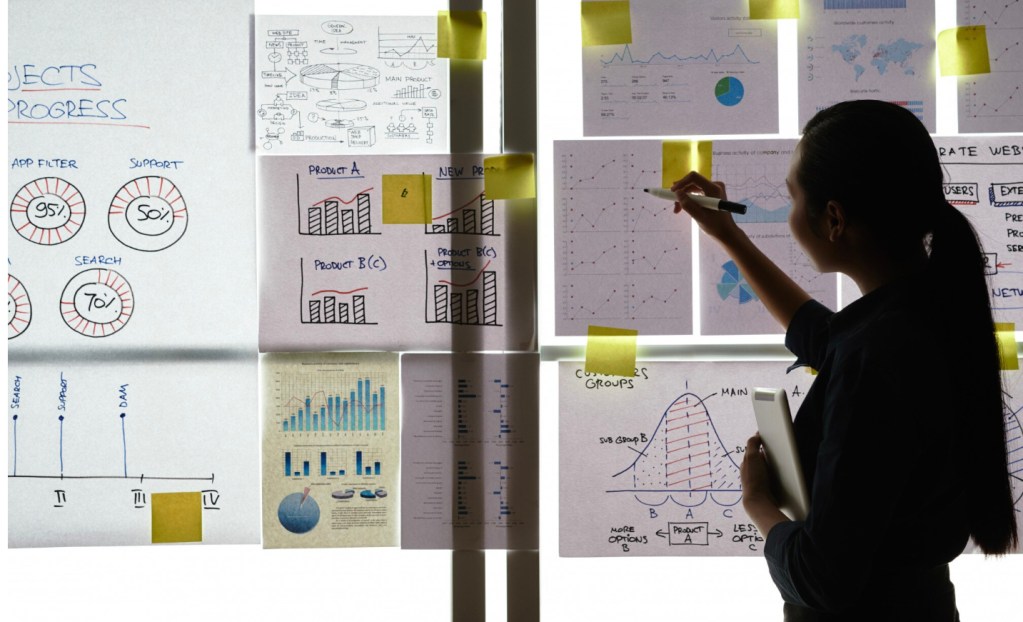
Business Scenario Planning is a structured method for anticipating potential futures and preparing for them with actionable strategies. Unlike traditional forecasting, which assumes a single “most likely” outcome, scenario planning accepts uncertainty as a given. It helps leaders envision different possibilities and design flexible responses that keep operations resilient when reality diverges from expectations.
In a world where market disruptions, regulatory shifts, and technological changes can happen overnight, the ability to adapt quickly is no longer optional. Scenario planning equips businesses with a proactive mindset, allowing them to turn uncertainty into a competitive advantage rather than a threat.
Core Principles of Business Scenario Planning
Before diving into the mechanics of scenario planning, it’s important to understand the principles that make it effective. These principles form the foundation for building scenarios that are not only plausible but also useful for decision-making.
Identifying Key Drivers and Variables
The first principle is to pinpoint the external and internal forces most likely to influence outcomes. These could include economic conditions, consumer behavior shifts, industry regulations, or technological innovations. A clear grasp of these drivers ensures that scenarios reflect real-world factors rather than abstract possibilities.
Understanding Uncertainty Ranges
Not all uncertainties carry equal weight. Some variables may swing widely, such as raw material prices, while others remain relatively stable. Understanding the range of uncertainty helps in constructing scenarios that stretch thinking without veering into implausibility.
Building Multiple Forecast Pathways
Scenario planning works best when there is more than one path to consider. Instead of a single projection, the process generates several alternative futures. This helps organizations prepare for a spectrum of possible conditions and avoid being blindsided by unexpected developments.
Types of Scenarios in Strategic Planning
Scenarios can take different forms depending on the organization’s objectives and the environment it operates in. A balanced set of scenarios ensures preparation for both favorable and challenging conditions.
Best-Case Scenario
This scenario envisions the most favorable combination of circumstances—strong market demand, low operational costs, and supportive regulations. It sets an optimistic benchmark for growth and expansion opportunities.
Worst-Case Scenario
Here, the organization considers adverse conditions such as economic downturns, supply chain breakdowns, or disruptive competitors. By imagining these possibilities, leaders can design contingency measures to protect the business.
Most-Likely Scenario
This is the forecast that aligns with current data and trends. It serves as the baseline for operational and financial planning but should never be the sole focus, as it can lead to overconfidence.
Alternative or Disruptive Scenarios
These scenarios explore unexpected events that could reshape the competitive landscape entirely, such as breakthrough technologies, sudden geopolitical changes, or environmental crises.
Steps to Implement Business Scenario Planning
Turning the concept into practice requires a methodical process. These steps guide organizations from defining the purpose of the exercise to embedding scenarios into decision-making.
Define Scope and Objectives
The process starts with clarity on why scenario planning is being done. Whether the aim is to guide investment, manage risk, or plan market entry, defining the scope ensures the scenarios remain relevant to strategic goals.
Gather Data and Identify Influencing Factors
Accurate, relevant data is the backbone of effective scenarios. This involves collecting market research, historical performance metrics, and expert opinions to understand what forces are at play.
Develop Plausible Scenarios
Scenarios should be internally consistent, meaning that each element fits logically with the others. They must also be realistic enough to guide actionable planning, even if they explore extreme conditions.
Assess Impact on Operations, Finance, and Strategy
For each scenario, decision-makers evaluate how different business areas—such as supply chains, workforce, and cash flow—would be affected. This helps identify vulnerabilities and opportunities.
Integrate into Decision-Making Processes
Scenarios are not just theoretical exercises. They should inform real decisions, shaping budgets, resource allocation, and strategic initiatives.
Tools and Techniques for Scenario Analysis
Scenario planning draws on both analytical tools and creative thinking. Choosing the right approach depends on the complexity of the business environment and the data available.
Quantitative Models
Methods like financial forecasting, Monte Carlo simulations, and sensitivity analysis provide numerical insights into how different factors interact. These tools are especially valuable for assessing risk in measurable terms.
Qualitative Approaches
Techniques such as expert panels, workshops, and trend mapping encourage creative thinking and help capture insights that numbers alone may miss.
Digital Tools and AI-Based Forecasting
Modern scenario planning often incorporates AI-driven platforms that can process large datasets and update projections in real time as new information emerges.
Embedding Flexibility into Business Forecasts
One of the most valuable aspects of scenario planning is its ability to create adaptable forecasts. Instead of locking into a single annual plan, organizations can pivot as new information becomes available.
Adjusting Budgets and Resources Dynamically
With multiple scenarios in place, leaders can shift spending or reassign resources quickly when early warning signs indicate a change in conditions.
Building Contingency Plans
Preparedness is not just about predicting the future—it’s about having ready-to-activate strategies when things change. Contingency plans ensure smoother transitions between operational modes.
Using Rolling Forecasts
Rolling forecasts replace static annual plans with continuous updates, allowing for adjustments based on the latest market data and performance results.
Common Challenges and How to Overcome Them
While scenario planning is powerful, it is not without challenges. Recognizing and addressing these issues is key to making the process effective.
Overcomplication of Models
Complex models can overwhelm decision-makers and delay action. The focus should be on the variables that have the greatest impact on outcomes.
Confirmation Bias in Scenario Selection
Teams may gravitate toward scenarios that reinforce their existing beliefs. Encouraging diverse viewpoints and stress-testing assumptions can counter this bias.
Lack of Cross-Departmental Alignment
Without collaboration across functions, scenario planning can result in fragmented strategies. Effective planning requires input and commitment from multiple teams.
Conclusion
Uncertainty is a constant in business, but it does not have to be a weakness. By adopting Business Scenario Planning, organizations can shift from reactive problem-solving to proactive strategy execution. This approach not only improves resilience but also enhances the ability to seize new opportunities as they arise.
Incorporating scenario planning into the regular strategic process ensures that forecasts are not static documents but living tools, evolving with the business environment. The companies that embrace this mindset will be better positioned to navigate tomorrow’s challenges with confidence and clarity.